
Die Wissenschaft
Forschung und Beziehungskompatibilität
DNA Romance vergleicht ausgewählte DNA-Informationen über das DRom 1.0-Algorithmus Algorithmus. Er bewertet 100 spezifische Marker in Ihrer DNA und konzentriert sich auf Gene, die nachweislich an Anziehung und Fortpflanzung beteiligt sind. Studien haben gezeigt, dass Menschen mit unterschiedlichen DNA-Markern im Haupthistokompatibilitätskomplex (MHC) den Geruch des anderen tendenziell anziehend finden und oft beständigere romantische Beziehungen führen.
Wie es funktioniert
Registrieren
Create your free account and tell us a little about yourself, your preferences, and what you're looking for.
- Choose a username and verify your email address
- Set your match radius and dating preferences
Mach den Persönlichkeitstest
Complete the personality questionnaire to compare traits and preferences.
- Takes about 10 minutes
- Covers personality traits and preferences
Lade Deine DNA hoch
If this option is available for your account, upload a supported raw DNA file to add optional genetic context to matching.
- Free with your free account
- Other users cannot view your raw DNA file.
Entdecke Übereinstimmungen
We show matches using your preferences, personality responses, and available compatibility information.
Connect and Meet
Message your matches when there's mutual interest, then take it from there.
DRom 1.0 und DNA-Vergleiche
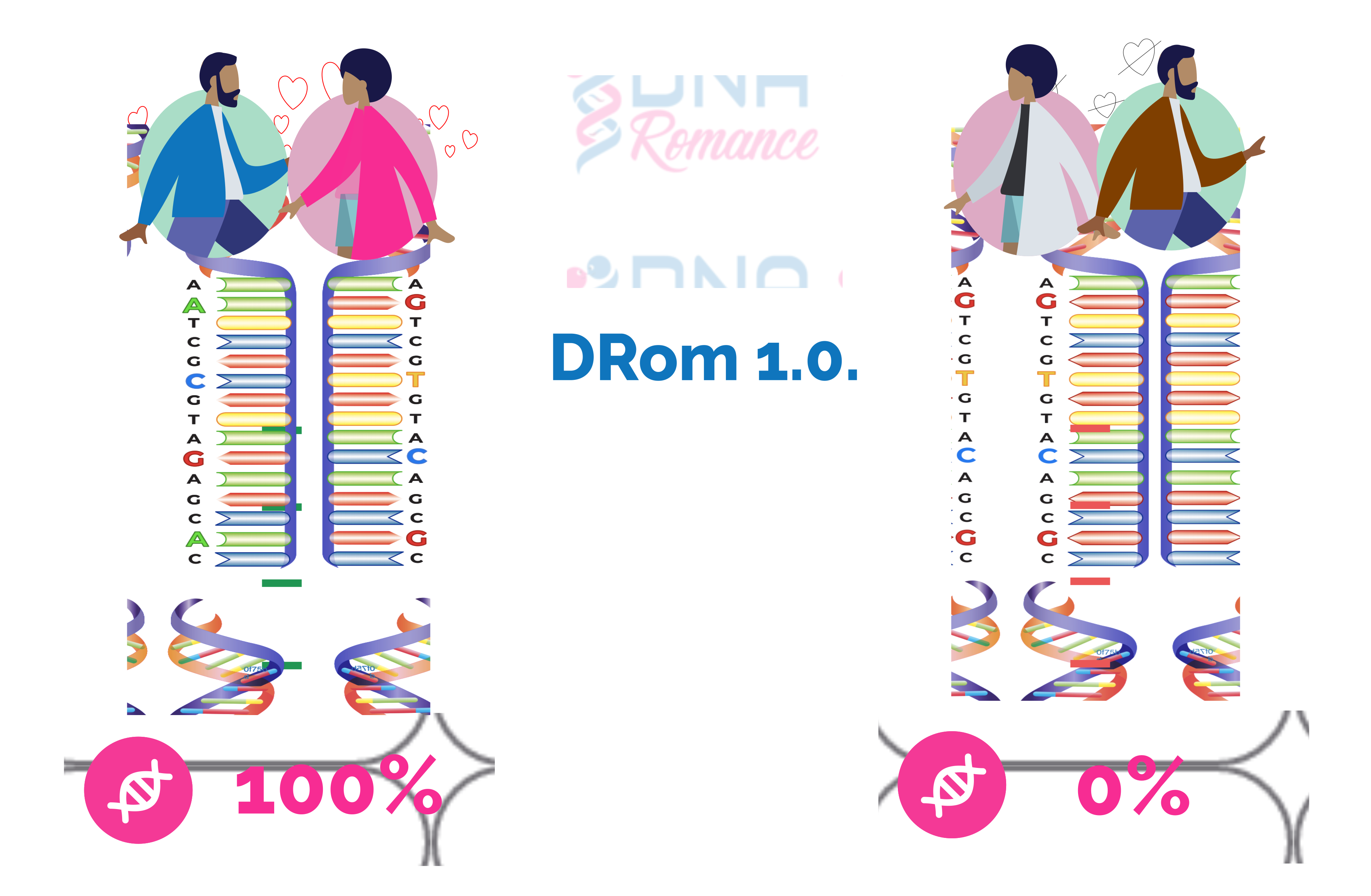
DNA Romance prognostiziert auch. Persönlichkeitskompatibilität und hilft Menschen beim Vergleich gemeinsame Interessen per Filter, und Körperliche Anziehung basierend auf Fotografien.
Persönlichkeitskompatibilitätsbewertung
Wie unterschiedliche Persönlichkeitstypen in Beziehungen interagieren
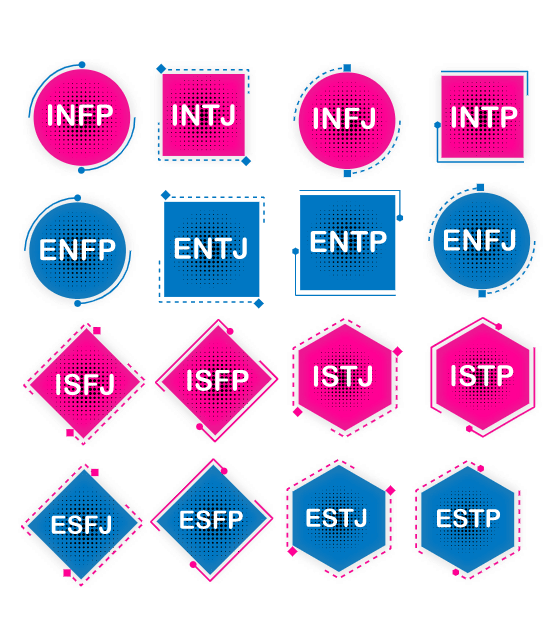
Persönlichkeitspräferenzen sind gegliedert in 16 Persönlichkeitstypen Typen, die unterschiedliche Weisen beschreiben, wie Menschen kommunizieren und Entscheidungen treffen., heute in der Organisationspsychologie weit verbreitet.
DNA Romance nutzt diese Profile, um Mitgliedern den Vergleich von Persönlichkeitspräferenzen zu erleichtern.
Schlüssel Forschungsarbeiten
Ausgewählte begutachtete Studien, die der Wissenschaft hinter DNA Romance. zugrunde liegen.

MHC-basierte Anziehung (Chemie) und Partnerwahl
DNA Romance entwickelte DRom 1.0 nach eingehender Analyse wissenschaftlicher Studien zu DNA-Variationen, Geruch und Partnerwahl. Die nachstehenden Studien zeigen differenzierte und kontextabhängige Ergebnisse.
Dandine-Roulland et al., 2019"
Dandine-Roulland und Kollegen, 2019
Birnbaum et al., 2019
Wedekind, 2019
Henningsson et al., 2017
Christakis & Fowler, 2014
Garver-Apgar et al., 2006
Roberts et al., 2008
Wedekind & Furi, 1997
Wu et al., 2018
Burger et al., 2017"
Burger et al., 2017
Sherlock et al., 2016
Kromer et al., 2016
Wlodarski and Dunbar., 2015
Burger et al., 2015
Laurent and Chaix., 2012
Lie et al., 2010
Lie et al., 2010b
Chaix et al., 2008
Schwensow et al., 2008
Wedekind., 2007
Wedekind., 2006
Pause et al., 2006
Martins et al., 2005
Horton et al., 2004
Jacob et al., 2002
Milinski and Wedekind., 2001
Wedekind et al., 1995
Wie Ähnlichkeiten oder Unterschiede bei MHC-Allelen die Familienplanung beeinflussen können
Die MHC-Ähnlichkeit zwischen Paaren wurde im Zusammenhang mit der Familienplanung untersucht; hier sind einige der wissenschaftlich begutachteten Publikationen, die die MHC-Ähnlichkeit und die menschliche Fortpflanzung beschreiben.
Jokiniemi et al., 2020
Mosaad et al., 2011
Mora-Sánchez et al., 2019
Mora-Sánchez et al., 2019
Meuleman et al., 2015
Shankarkumar et al., 2008
Ober, 1999
Ober et al., 1998
Ober et al., 1993

Persönlichkeitstypen
DNA Romance nutzt selbstberichtete Persönlichkeitstypen als einen Faktor beim Profilvergleich. Kompatibilitätswerte dienen als Orientierungshilfe beim Stöbern, nicht als Erfolgsgarantie für eine Beziehung.
Lok., 2012
Keirsey., 2006
Moutafi et al., 2003
Myers et al., 1998
Myers et al., 1985
Myers., 1962
Jung., 1923
Bereit, potenzielle Matches zu erkunden?
Erstellen Sie Ihr Profil und fügen Sie Ihre DNA hinzu, wenn Sie bereit sind.